
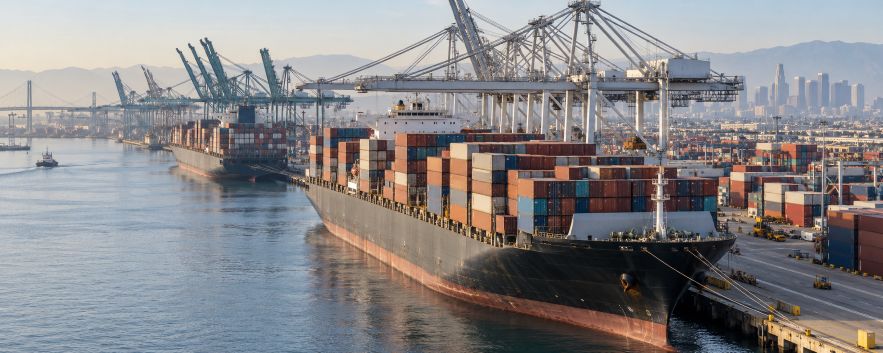
The Port of Los Angeles handled a record 1,042,652 container units in September 2026. Meanwhile, the University of Michigan’s preliminary October consumer sentiment index fell to 46.3 from 48.1. These figures suggest a holiday season with plenty of merchandise, but uneven willingness to spend.
For retailers, the question is whether arriving stock matches what households can afford. Cargo traffic signals supply and purchasing decisions made earlier. Weak confidence reveals unease. Neither measure, by itself, establishes how much shoppers will buy between October and December.
Why busy docks do not guarantee busy checkouts
The Port of Los Angeles reported that loaded imports rose 19% from a year earlier. Its overall container total also included exports and empty containers. That distinction matters when interpreting the record as a signal of holiday demand.
Port executive director Gene Seroka linked the increase to inventory replenishment, lower tariffs and cargo shifting between trade routes. The implication is that some growth reflects shipping decisions rather than a matching increase in shopping.
Actual sales answer a different question. The U.S. Census Bureau measures retail receipts, while University of Michigan surveys ask households about economic conditions and expectations. Sales show purchases made. Sentiment helps explain the pressures that could shape purchases ahead.
Even sales require reading carefully. Census retail figures are adjusted for seasonal patterns, but not price changes. Higher dollar receipts can therefore reflect more expensive goods rather than more items sold.
Income differences could shape the season
The University of Michigan found that October sentiment weakened sharply among lower-income households and people with smaller stock portfolios. These groups have fewer resources to absorb rising prices.
Its October special report offers a spending comparison. Among households in the highest income third, 42% expected to keep buying as usual when items experienced large price increases. The equivalent share in the lowest income third was 20%.
These responses concern the coming year, rather than holiday budgets specifically. Still, they suggest retailers should avoid treating shoppers as one uniform market. Demand for premium gifts could hold up while financially stretched customers prioritize essentials.
Energy and financing narrow the choices
The University of Michigan’s special report identified elevated gasoline prices as another pressure on household budgets. Money needed for commuting leaves less flexibility for discretionary purchases, making fuel costs relevant to holiday demand.
Financing may offer limited relief. University of Michigan findings showed worsening buying conditions for durable goods because of prices and borrowing costs. Its spending study found consumers remained more reluctant to use credit for major purchases than savings.
What should retailers watch through December?
Watch holiday sales alongside discount depth, remaining inventory and retailer margins. As an analytical test, rising sales with stable margins would suggest stronger demand than rising sales achieved through heavy markdowns.
Category differences will also matter. Compare discretionary purchases with necessities, and examine whether promotions attract spending or simply shift its timing.
September’s port record establishes that supply is arriving. December’s results will show whether household budgets can support that inventory profitably. Until then, neither crowded docks nor gloomy surveys provide a holiday forecast.