
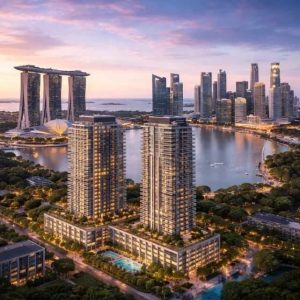
 Property markets rise and fall with economic cycles. Interest rates shift. Regulations tighten or loosen. Global uncertainty comes and goes. Yet through all this, condominium homes in Singapore continue to attract buyers and investors, especially those drawn to the lifestyle appeal of waterfront living alongside urban convenience. The reasons are not about hype or short-term trends. They are rooted in structure, policy, and how people live and work today.
A Stable Foundation in an Unstable World
Singapore’s biggest advantage is stability. The country has a strong legal system, clear property rights, and consistent enforcement of rules. Even when the global economy slows, these fundamentals do not change. Buyers know what they are getting. Contracts are reliable. Ownership laws are clear.
This matters more during uncertain times. When currencies fluctuate or markets feel unpredictable, people look for places where risk is controlled. Condos in Singapore offer that sense of order. The market may cool or heat up, but it rarely behaves wildly. Prices tend to adjust gradually rather than collapse.
Thoughtful Government Oversight
The housing market is not left to chance. Policies are actively managed to prevent bubbles and sharp corrections. Cooling measures, loan limits, and stamp duties are adjusted as conditions change. While some buyers see this as restrictive, it actually protects long-term value.
Oversight by bodies such as the Urban Redevelopment Authority ensures that land use is planned decades ahead. Supply is controlled. Infrastructure is built alongside new developments. This reduces the risk of oversupply, which is a common problem in less-regulated markets.
For condo owners, this planning discipline provides confidence. Even in slower economies, well-located projects tend to hold value because surrounding areas continue to improve.
Strong Demand from a Mobile Population
Singapore remains a regional hub for finance, technology, logistics, and professional services. Multinational companies base their teams here. Talent flows in from across Asia and beyond. Many of these residents prefer condo living.
Condominiums suit mobile professionals. They offer security, amenities, and flexibility. Renting or owning a condo is often more practical than managing a landed home, especially for those with busy schedules or short- to medium-term plans.
Even when hiring slows globally, Singapore continues to attract skilled workers. This supports steady rental demand, which in turn underpins condo prices.
Lifestyle Appeal That Holds Up Over Time
Condo living in Singapore is not just about status. It is about convenience. Most developments are near transport links, retail areas, and food options. Many include gyms, pools, and shared spaces, reducing the need for external memberships.
During economic downturns, lifestyle value matters. Buyers become more selective. They focus on homes that support daily life without added cost. A well-designed condo meets that need.
There is also a strong appeal for downsizers and older buyers. As households get smaller, condos offer manageable living spaces without sacrificing comfort or location.
Limited Land, Consistent Pressure
Land scarcity is a permanent factor. Singapore simply does not have much space. New land releases are measured, and redevelopment takes time. This puts a natural floor under prices, especially in established areas.
In changing economies, this constraint becomes more visible. While other cities may respond to demand drops by building aggressively, Singapore cannot do so easily. Supply stays tight. Over the long term, this supports values even when demand softens.
This does not mean prices only move up. Corrections happen. But sharp oversupply-driven declines are rare.
Foreign Interest, Even with Restrictions
Foreign buyers face higher taxes and stricter rules today. Yet interest has not disappeared. For high-net-worth individuals, Singapore remains a safe place to park capital. Condos are often the preferred option because they are easier to manage and rent out.
Importantly, the market does not rely solely on foreign buyers. Local demand remains strong. This balance reduces exposure to sudden shifts in global capital flows.
In uncertain times, that balance matters. Markets driven purely by foreign money can turn quickly. Singapore’s condo market is more evenly supported.
Adaptability of the Product
Condominium design has evolved. Developers respond to how people live now. Smaller units, flexible layouts, and integrated developments reflect changing needs. Mixed-use projects that combine homes, offices, and retail are increasingly common.
This adaptability keeps condos relevant. Even as work patterns change or household sizes shrink, the product adjusts. That is harder to do with older housing types or poorly planned suburbs.
During economic transitions, adaptability is a strength. Buyers favor homes that can meet future needs, not just current ones.
A Long-Term View That Aligns with Buyers
Finally, condos remain popular because they fit how most buyers think about property in Singapore. Few expect quick gains. Many plan to hold for years, whether for their own stay or rental income.
This long-term mindset aligns with the market’s structure. Steady growth, rental support, and policy stability reward patience rather than speculation. In changing economies, that approach feels safer.
Singapore condos are not immune to global forces. But they are designed to absorb shocks, not amplify them. That is why, cycle after cycle, they remain a preferred choice.